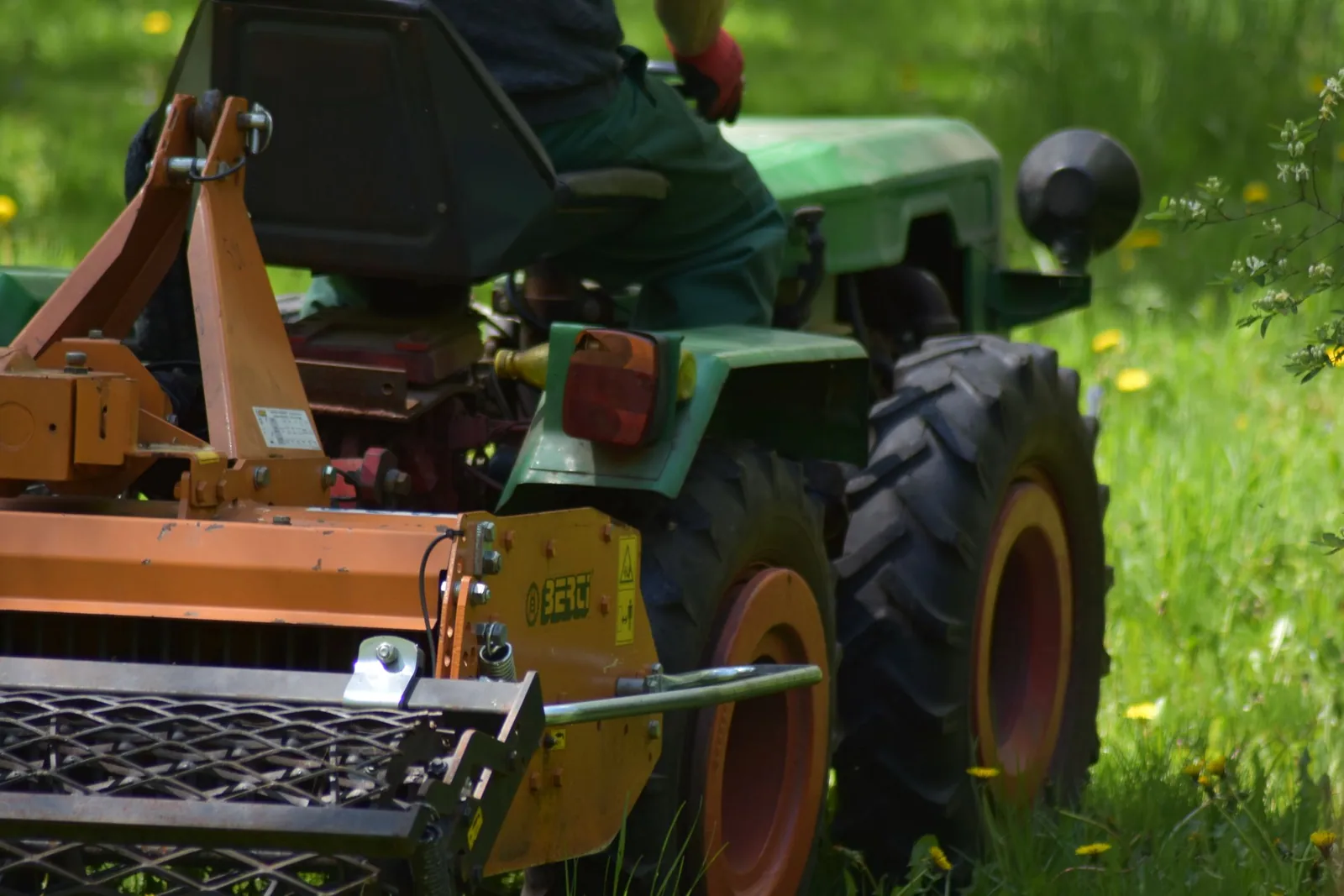
Ground-up Autonomous Platform for Commercial Grounds
Autonomous Zero-Turn Lawn Mower System
360°
safety perception coverage
RTK-grade
positioning accuracy

AgriTech / Controlled-Environment Agriculture
6,500 Plants Under Continuous Autonomous Control
Background
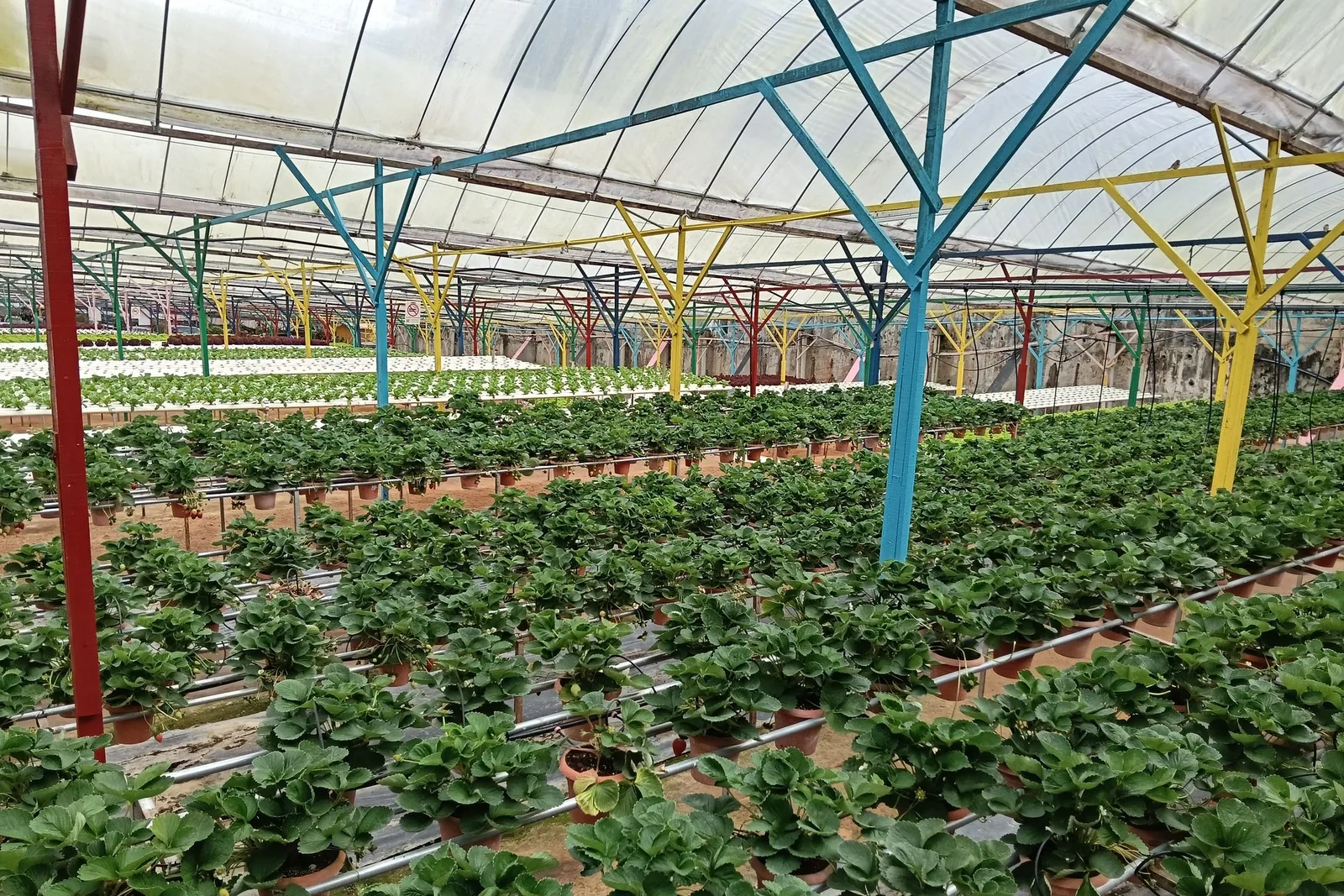
A commercial-scale indoor farming venture required a turnkey hydroponic facility capable of sustaining 6,500 plants with minimal human intervention. The client needed a fully autonomous grow environment with predictable yield, continuous quality, and remote monitoring.
The problem
Coordinating hundreds of sensors, dosing pumps, HVAC units, and lighting zones while preserving sub-second control loops. Variability in crop types, water chemistry, and environmental drift made rule-based logic insufficient. The system had to degrade gracefully during network loss and avoid single points of failure that could destroy a full harvest.
Approach
Our team designed a layered architecture: PLC-grade edge controllers for deterministic actuation, an AI advisory layer for nutrient and climate prediction, and a cloud SaaS for fleet-wide analytics. Twelve grow zones were modeled as digital twins, calibrated against real-world telemetry. Computer vision cameras monitored canopy density and leaf color daily, feeding a growth-stage classifier. Nutrient dosing was tuned through closed-loop EC/pH control with safety interlocks.
Workstreams
This was delivered as 8 coordinated workstreams over 14 months.
WS 01
We designed a stackable chassis with standardized power and data interfaces between modules. Airflow and thermal behavior were validated through simulation before prototyping.
WS 02
We engineered a four-tier rack with optimized channel slope and return manifolds validated through flow testing. A central control cabinet housed the PLC, dosing pumps, and safety relays.
WS 03
We designed a multi-channel dosing rack driven by closed-loop PID control on EC and pH. Pumps are calibrated on-site and re-verified automatically.
WS 04
We designed a multi-loop controller that treats VPD as a first-class setpoint and orchestrates the underlying actuators accordingly. CO₂ is injected on a schedule tied to photoperiod and canopy activity.
WS 05
We built a wireless mesh of low-power sensor nodes feeding an edge controller that maintains a live climate heatmap. Actuators were grouped into zones, each with its own setpoint and priority.
WS 06
We deployed flow-metered solenoid manifolds at each zone, combined with substrate moisture sensors for feedback. The controller calculates delivered volume per event and flags deviations as leaks or blockages.
WS 07
We instrumented lighting and HVAC subsystems for detailed energy accounting, then used DLI targets rather than fixed photoperiods to drive dimmable fixtures. Airflow was re-balanced after CFD analysis of existing racks.
WS 08
We built a workflow engine keyed on barcoded trays, scanned at each station. State transitions automatically update climate recipes and schedules downstream.
Outcome
The facility achieved continuous 24/7 operation with sub-1% downtime across the first harvest cycle. Yields improved 22% over the client's benchmark greenhouse, while water consumption dropped 38%. The dashboard gave operators a single pane of glass across all 6,500 plants, and alerts reduced response time to anomalies by over 80%.
Our role
System architecture; edge firmware; AI/ML models; SaaS platform; commissioning.
Technologies
Gallery

Illustrative of the crop-side task the vision layer automates: growth-stage and health assessment across 6,500 plants that would otherwise be a manual walk of every zone.
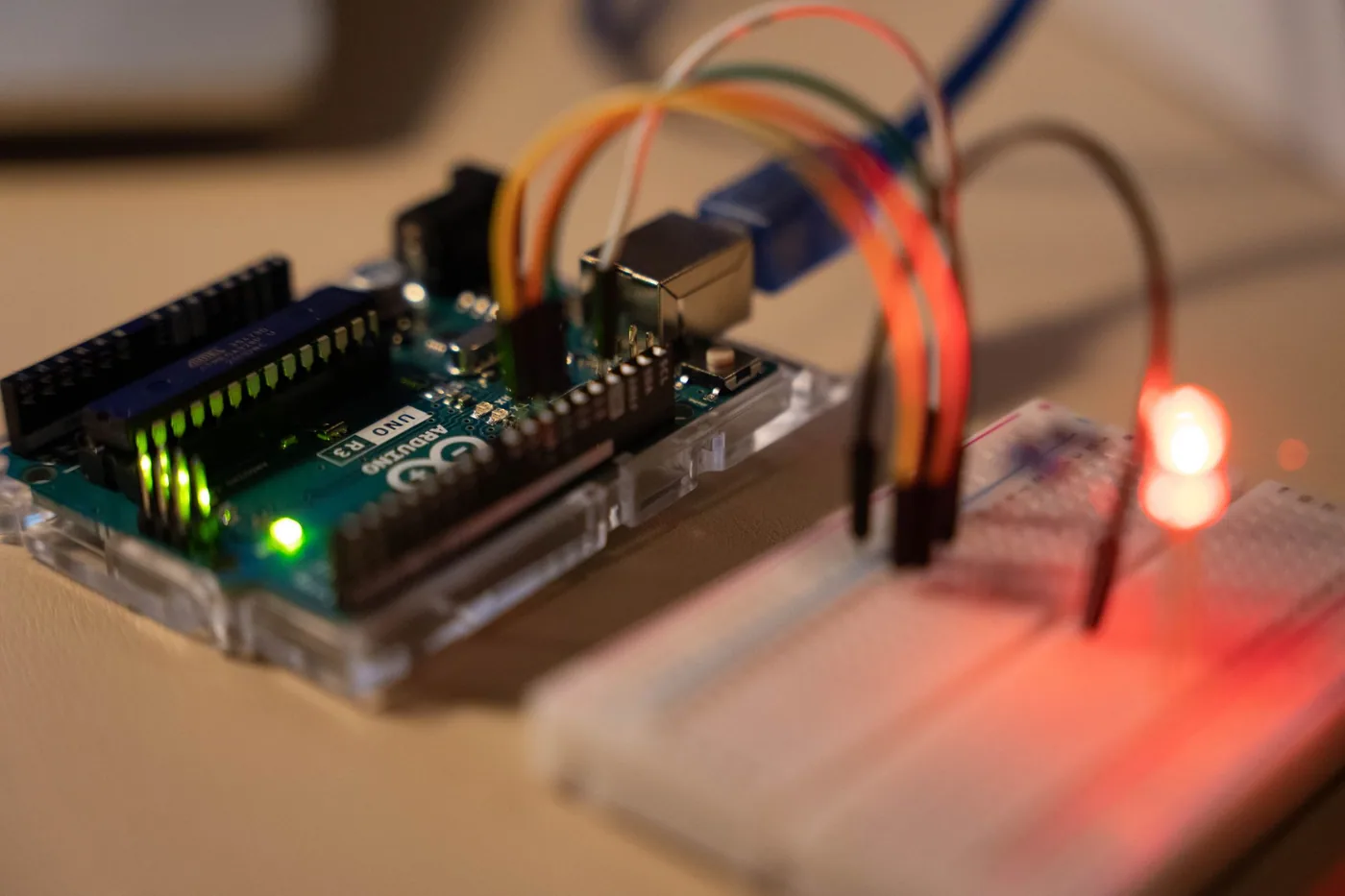
Representative of the ESP32 node hardware at each zone: sensors are read locally and reported upstream over LoRaWAN and MQTT, keeping the control loop off the network path.
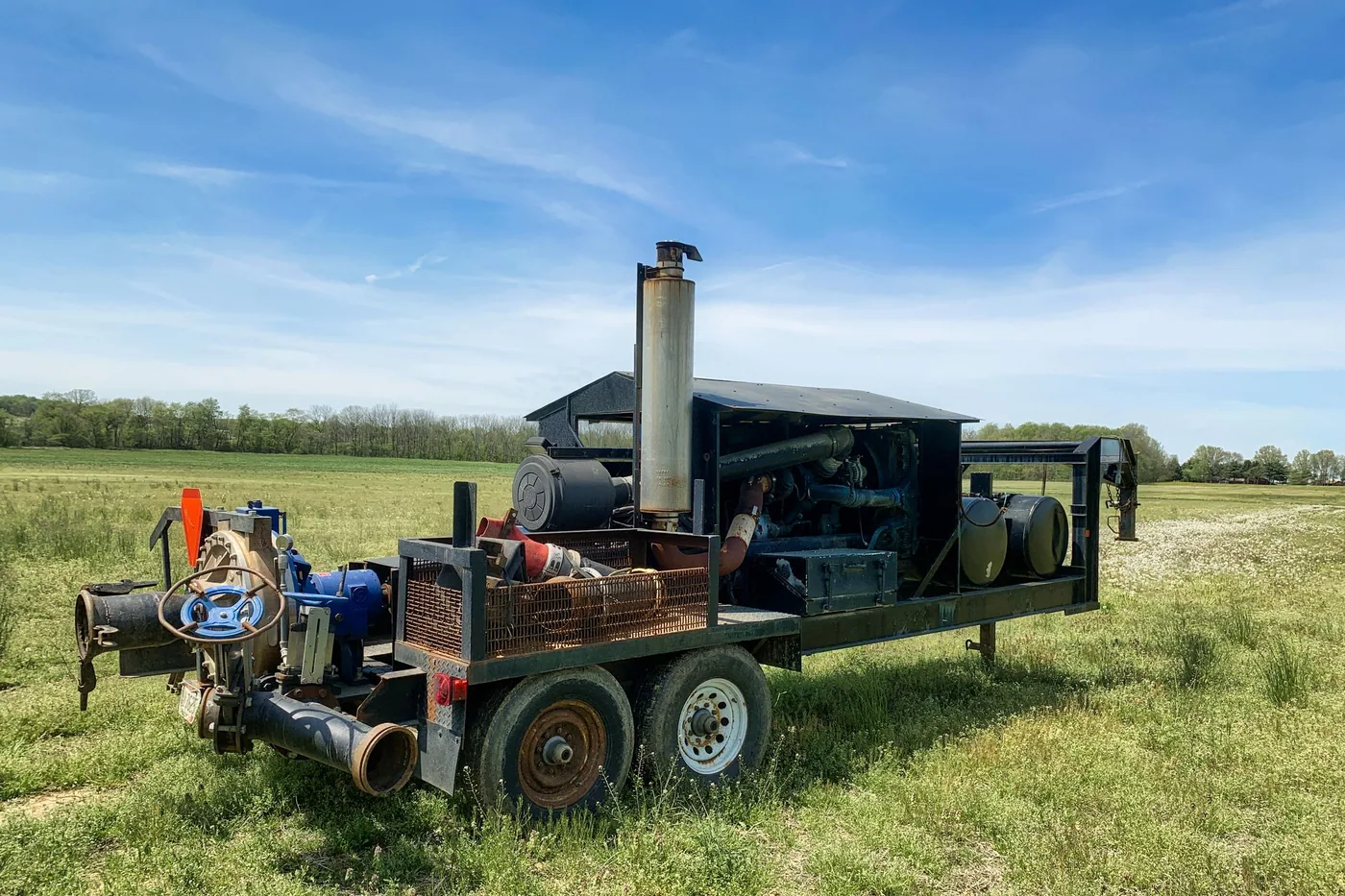
Illustrative of the dosing and recirculation hardware the controller drives - nutrient pumps, mixing valves and return lines are where water-chemistry variability is actually corrected.
Next case study
Ground-up Autonomous Platform for Commercial Grounds
Send the constraint that worries you most - a latency budget, a power budget, a certification date. We’ll tell you straight whether we’re the right team.