Battery-Powered Excursion Detection That Survives 14 Days Off-Grid
Cold-Chain Integrity Recorder
16 days
battery life on a single primary cell
87%
reduction in false excursion alerts

Smart Manufacturing / Quality Assurance
Every Weld Graded in 38 ms, On the Line, Without a Network
Background
A tier-two automotive fabricator inspected robotic MIG welds by sampling - an operator pulled roughly one part in forty to a light booth. Defects that escaped sampling surfaced at the customer, and each containment event cost more than a week of production margin.
The problem
Inspection had to finish inside the robot cell's 45 ms index window or it would slow the line, which ruled out sending frames to a server. Weld appearance shifted constantly with spatter, tip wear and shielding gas flow, so a fixed-threshold vision recipe drifted within a shift. The plant also refused any inspection system that required opening the OT network.
Approach
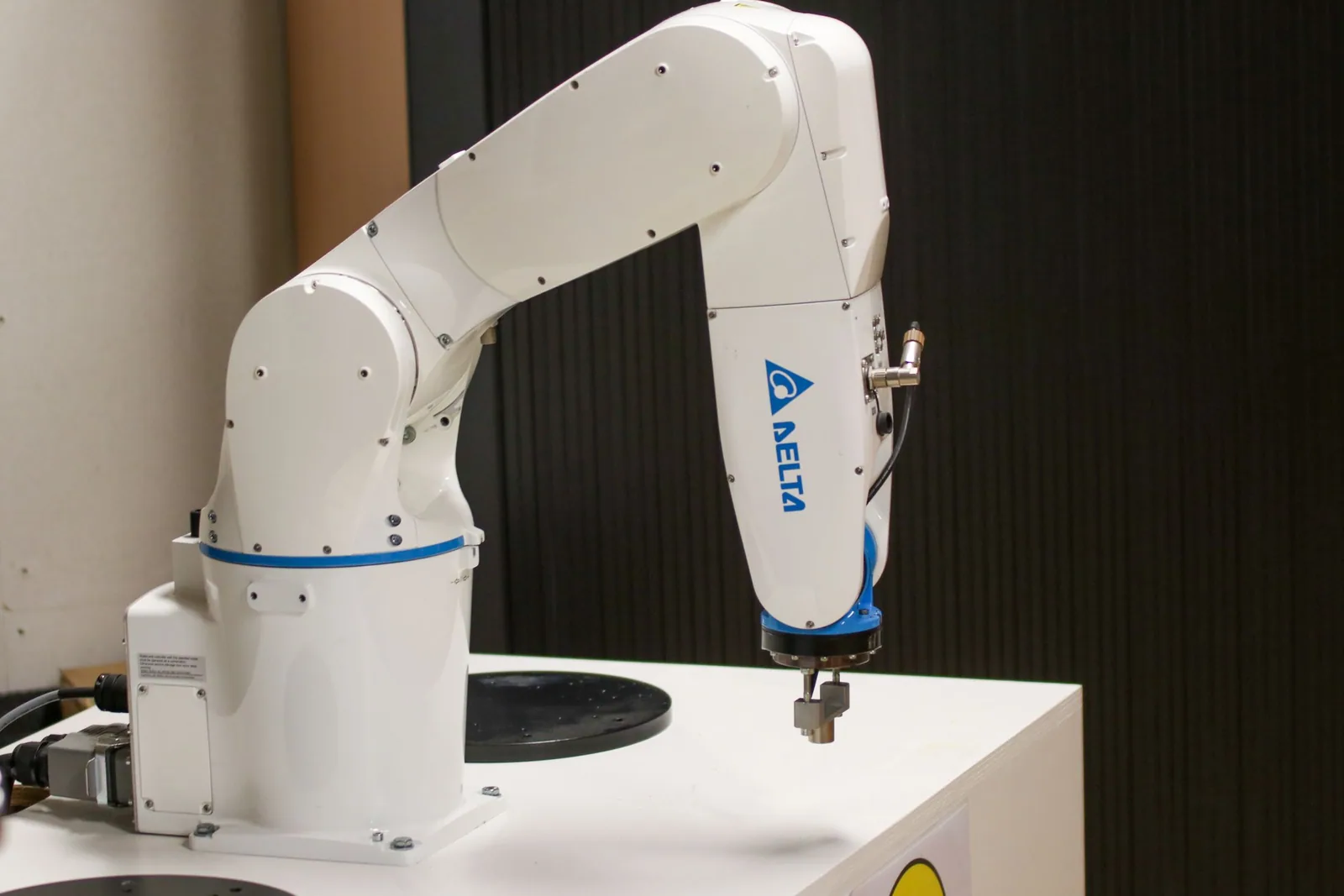
We built a self-contained cell: two GigE cameras on a rigid frame with controlled ring lighting, feeding a Jetson Orin NX running a segmentation model quantised to INT8 through TensorRT. The model outputs a seam mask and a per-millimetre defect class - porosity, undercut, burn-through, insufficient fill. Inference lands at 38 ms end to end, inside the index window, with the verdict pushed to the cell PLC over OPC UA as a simple pass/divert bit. Nothing leaves the cell. A local ring buffer keeps the last 5,000 part images so quality engineers can retrain against real escapes; retraining runs offline and ships back as a signed model bundle on removable media.
Outcome
The cell moved the fabricator from 2.5% sampling to 100% inspection with no cycle-time penalty. Escaped-defect rate to the customer fell from 340 ppm to 21 ppm over the first two quarters, and the plant retired two of three light-booth stations. Because the verdict is a PLC bit rather than a network call, the system passed the customer's OT security audit without an exception.
Our role
Optical design; cell mechanics; model development and quantisation; PLC integration; commissioning and operator training.
Technologies
Gallery

Illustrative of the inspected feature: bead geometry, undercut and spatter are the visual characteristics graded on every weld rather than on a 2.5% sample.
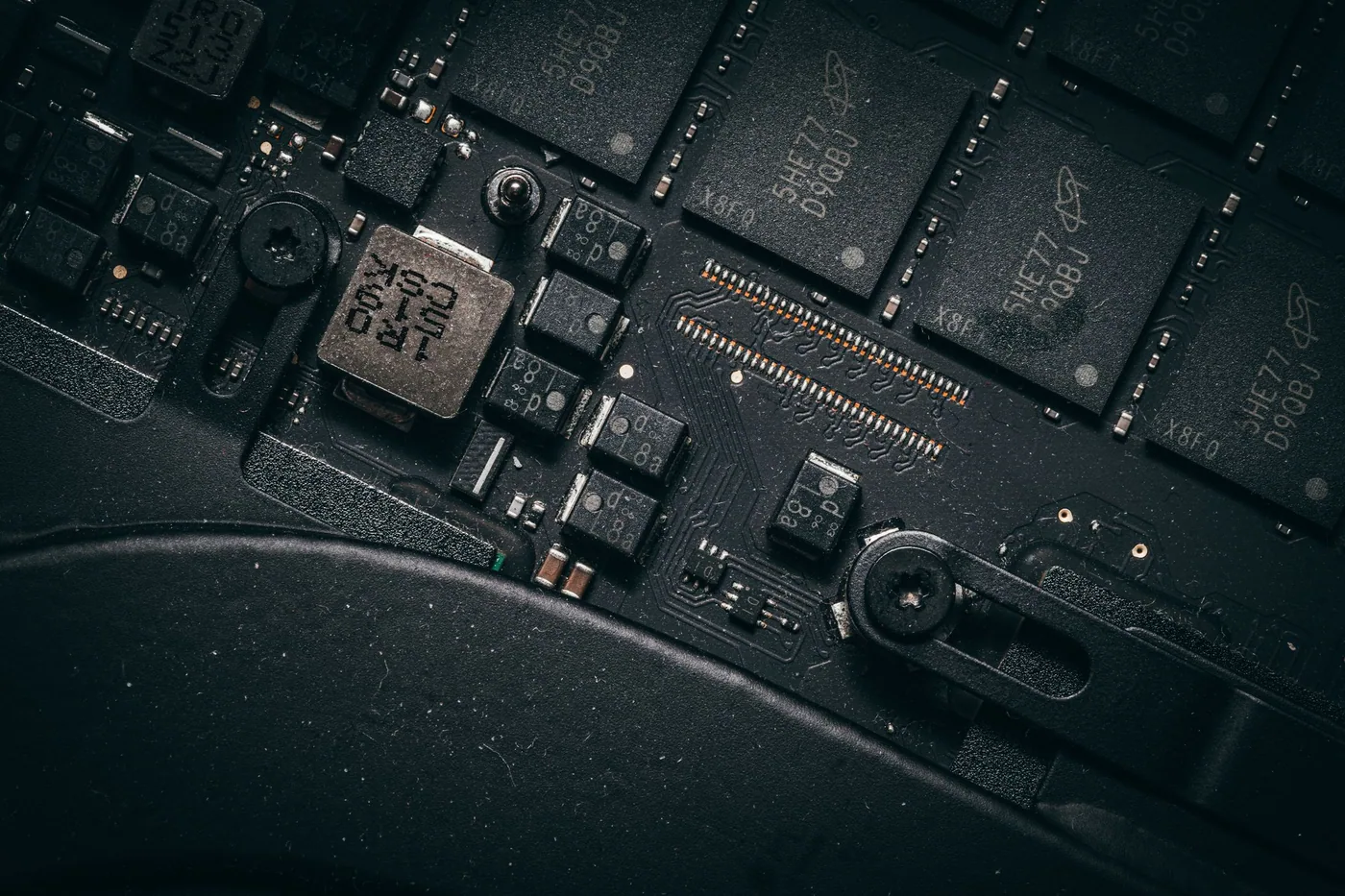
Illustrative of the edge compute class used: the TensorRT model runs on a Jetson Orin NX module inside the cell cabinet, keeping the 38 ms inference entirely off the plant network.

Illustrative of commissioning work at the cell: reference images were recollected as consumable wear and shift lighting changed weld appearance, and results were handed to the PLC over OPC UA and Profinet.
Next case study
Battery-Powered Excursion Detection That Survives 14 Days Off-Grid
Send the constraint that worries you most - a latency budget, a power budget, a certification date. We’ll tell you straight whether we’re the right team.